Visar inlägg med etikett Texttyper. Visa alla inlägg

onsdag 19 oktober 2016

Writing in groups

Work in the following groups: 

1. Linus, Felicia, Elin A
2. Emil, Sara, Alec
3. Truls, BC, Elias Hellgr, 
4. Elin E, Elias Horstm, Therese
5. Oliver, Anton, Lukas 
6. Alexander, David, Alex, Elias W. 

Task number 1: 

Write in a google document that you share with me: sara.bruun@eduhoor.se 
Remember that I want you to speak English during your discussions. Help each other. 

1. Read the text Giving Life together. 
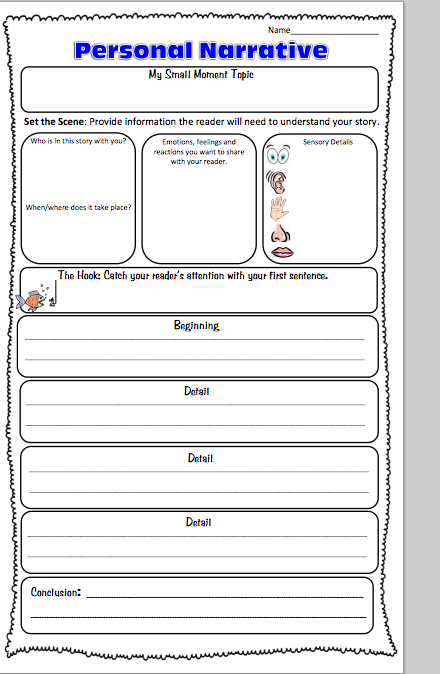
. Use the picture Personal narrative and try to identify:
- Who is the story about?
- Where and when does it take place?
- Is there a "hook"?
- Is the text in a chronological order? How do you know?
- Can you find any sensory details? Give examples. 
- Can you find any words that describe what she feels like? Give examples. 
- Which is the conclusion?
- How can this text be improved? Give examples. 
Task number 2: 
Write your own personal narrative together in your group. One of you creates a Google document that is shared with the others in the group. Then you are able to write in the same document. Your text has to be finished at the end of the lesson on Tuesday. 
Choose between: 
Last summer we had dinner with Justin Timberlake.  
Last week we fooled our teacher. 
Task number 3: 
When you think your text is finished - share it with the first name in the different groups. 
Group 1 to 2
2-3
3-4
4-5
5-6 
6-1. 
You are now going to give feedback on the texts. Read the text together.
Use the questions you worked with when you read Giving Life. You find the questions at the top of this page. 
Write your answers under the text.
Also give feedback on grammar and spelling. 
Is the text written in the past tense? Are the verb forms correct? 
When you are finished - go to the other group and tell them your feedback. Be nice! Remember that your group also will get feedback. 
/Sara


måndag 17 oktober 2016

How to write an argumentative text...

Today we started to write an argumentative text together in groups. We will continue on Friday.
When you have finished the texts that you have written together you are going to write on your own.
Think of something that you don't like and would like to change. For instance:
Homework should be forbidden or Should schools offer cash bonuses for good test scores? You need to find arguments for and against. You can talk to someone at home or google ! Then you start writing. Here you can find an example of an argumentative text that a pupil in year 7 has written: Refugees welcome?

Here is the picture we worked with. Use the picture to help you, but don't answer the questions one by one.

tisdag 11 oktober 2016

How to write a personal narrative...


  Personal narrative 

The teacher in the film is Adora Svitak. She was only 11 years old when she made this film. Watch her films on Youtube! 


  The picture Personal Narrative is from Scholastic Teachers. Use the picture before you
start writing. It will help you getting your story into a chronological order and to organise your ideas before you start.

Sensory details mean that you need to use words that describe what you see, hear, feel,
smell and taste! Words like this help the reader to get into the story and feel the way the characters feel.


This screen capture was created and uploaded with Grabilla:
Screenshot made with Grabilla 


1. Read the text Giving Life. Use the picture Personal Narrative and try to identify:
- Who is the story about?
- Where and when does it take place?
- Is there a "hook"?
- Is the text in a chronological order? How do you know?
- Can you find any sensory details?
- Can you find any words that describe what she feels like?
- Which is the conclusion?

Good Luck / Sara

tisdag 19 maj 2015

Rubrics - Fanfiction

Before you start writing I want you to take a look below, since it definitely will improve your writing.

As an introduction, before you start writing, you need to give the reader some information.
Answer the questions and then include both questions and answers in your text.

1. Read the wiki on how to write Fanfiction
2. If you need more inspiration you can take a look here. Harry Potter is suddenly in the Titanic! Cross-over

2. Answer the questions 
The Title:
Characters in the story:
Genre: (Adventure, romance, action..?)
Setting:
 - Time (When does your story take place?)
-  Location (Where does it take place?)
- Current situation (What happens now?)

Describe the characters:
Name?
Appearance?
Personality?
What do you like/dislike about the character?

Plot:
Conflict:
Resolution:

3. Watch the films.
4. Start writing!
5. Deadline - the first draft: the 29th of May. 


To help you get your story in a chronological order and to help you creating your character/s you could take another look at the video we worked with when we wrote a personal narrative text:


Good Luck!
Sara

lördag 28 mars 2015

How to write...

Your wedding trip is over and now you are going to write about your trip. You write individually and you use the structure in the film to help you with your text.
 I want you to watch the video below and answer the questions:


/ Sara


söndag 21 december 2014

Att skriva en argumenterande text på engelska

En argumenterande text går ut på att du ska övertyga dina läsare om att din åsikt är den rätta eller att du ska försöka få dina läsare att handla på ett visst sätt. Jag har valt att göra denna genomgång på svenska då flera av er uttryckt att ni (engelska år 8) tycker det blir alldeles för svårt annars. I förväg vill jag att ni har läst igenom detta inlägg och sett filmen. Lektionstid kommer vi arbeta med detta på engelska. Jag kommer att hjälpa er med ord och med exempel på hur det blir på engelska. Vi kommer  först att skriva tillsammans i klassen och sedan när ni kan det skriver ni enskilt. Den första texten är alltså träning och den enskilda texten är den jag kommer att bedöma. Vad jag bedömer finns som vanligt i Schoolsoft.

Det finns en del som man måste tänka på för att texten ska bli bra:

1. Rubriken - ska vara intresseväckande och få läsaren att vilja fortsätta läsa. Rubriken kan vara formulerad som en fråga.
2. Din åsikt - skriv om vad du tycker i frågan och motivera varför. Använd ord som beskriver vad du tycker och känner som:
I think ... because - jag tycker... därför att
I believe... since... - jag anser ... eftersom ..
In my point of view - enligt min åsikt, som jag ser det

3. Argument- klargör dina argument, motivera varför du tycker så och lägg till vilken/vilka konsekvenserna blir av att du tycker som du gör. Börja med att förklara ditt starkaste argument och fortsätt med det/dem som du tycker är svagare. Ha också med ett motargument som du sedan förklarar varför du tycker att det inte är bra. En rekommendation är två eller tre argument för och ett emot.
I denna del av texten behöver du använda så kallade bindeord som visar i vilken ordning dina tankar och ideér kommer tex:
First of all - för det första
Secondly - för det andra
I also think/believe - Dessutom tycker/anser jag...
To sum up - sammanfattningsvis

Exempel på fler bindeord hittar du här: Bindeord

Du behöver också ha med ord som uttrycker dina egna och andras åsikter och känslor tex:
I wish - jag önskar
I feel - jag känner
I dream of- jag drömmer om
I hate - jag hatar
I dislike - jag ogillar

Exempel på fler ord som uttrycker åsikter och känslor hittar du här: Ord som uttrycker känslor och åsikter

För er som lär er bättre genom att lyssna och titta kommer här en film om hur man skriver en argumenterande text:


Exempel på hur en argumenterande text kan skrivas

 Argumenterande text - denna text skrevs när eleven gick i årskurs åtta.

Jag vill att ni ska titta närmre på denna text och även komma med förbättringsförslag.
Läs texten ovan, som är blåmarkerad,  och diskutera frågorna nedan i era grupper. Skriv ner era svar och var beredda att fortsätta diskutera texten i helklass.

- Är rubriken intresseväckande?
- Framgår det vilken som är författarens åsikt?
- Vilka argument för/emot åsikten kan ni hitta?
- Vilka bindeord finns?
- Vilka ord som utrrycker författarens åsikter och känslor finns?
- Vilket betyg tror ni att denna text fick och varför då? (Kunskapskraven hittar ni i Schoolsoft)

/ Sara


Creating characters

This picture I found on www.flickr.com. It is made by Bill McDonald.
Use this picture to help you create a character that the reader will remember:


Personal Narrative

Personal narrative 

The teacher in the film below is Adora Svitak. She was only 11 years old when she made this
film. You can learn a lot by watching her films. Check out her Youtube channel: Adora Svitak.


The picture Personal Narrative is from Scholastic Teachers. Use the picture before you
start writing. It will help you getting your story into a chronological order and to organize your ideas before you start.

Sensory details mean that you need to use words that describe what you see, hear, feel,
smell and taste! Words like this help the reader to get into the story and feel the way the characters feel.


This screen capture was created and uploaded with Grabilla:
Screenshot made with Grabilla 


1. Read the text Giving Life. Use the picture Personal Narrative and try to identify:
- Who is the story about?
- Where and when does it take place?
- Is there a "hook"?
- Is the text in a chronological order? How do you know?
- Can you find any sensory details?
- Can you find any words that describe what she feels like?
- Which is the conclusion?

Good Luck / Sara

onsdag 26 november 2014

Eng 8A, 9C

 You have read a chapter of the book: " The Absolutely True Diary of a Part-Time Indian.
Today  we are going to read the text together and help each other writing an emotional poem.

This is how you do it:

1. Write a Sensory Emotion Poem
Work in pairs.
When you read the text - what did you think of? Discuss the text in pairs and write down words that describe the emotions in the text.Write your words in  https://todaysmeet.com/Emotions 
Choose one emotion that you think describes the text best. 

Title (Emotion)
(Line 1) (Emotion) is (color)
(Line 2) What does the emotion taste like?
(Line 3) What does the emotion smell like?
(Line 4) What does the emotion feel like?
(Line 5) What does the emotion sound like?
(Line 6) What does the emotion look like?

(Line 7) (Emotion) is _____________(include a metaphor)

If you don't remember what a methapor is you can find help here: Metaphor

2. Use the iPad and the app Canva to create your poem. I will show you how to work with Canva.  
Save your poem and send it to me: sarasv74@gmail.com


A few years ago my pupils read The Hunger Games and then a girl wrote an emotional poem like this: